How much protein do you actually need?
A simple way to work out your daily target, and how eggs, edamame and protein beans fit in.
Read more →Nutrition, recipes and stories from behind the label.
A simple way to work out your daily target, and how eggs, edamame and protein beans fit in.
Read more →
Breed, diet and daylight change what ends up inside the shell. Here is what the farmers say.
Read more →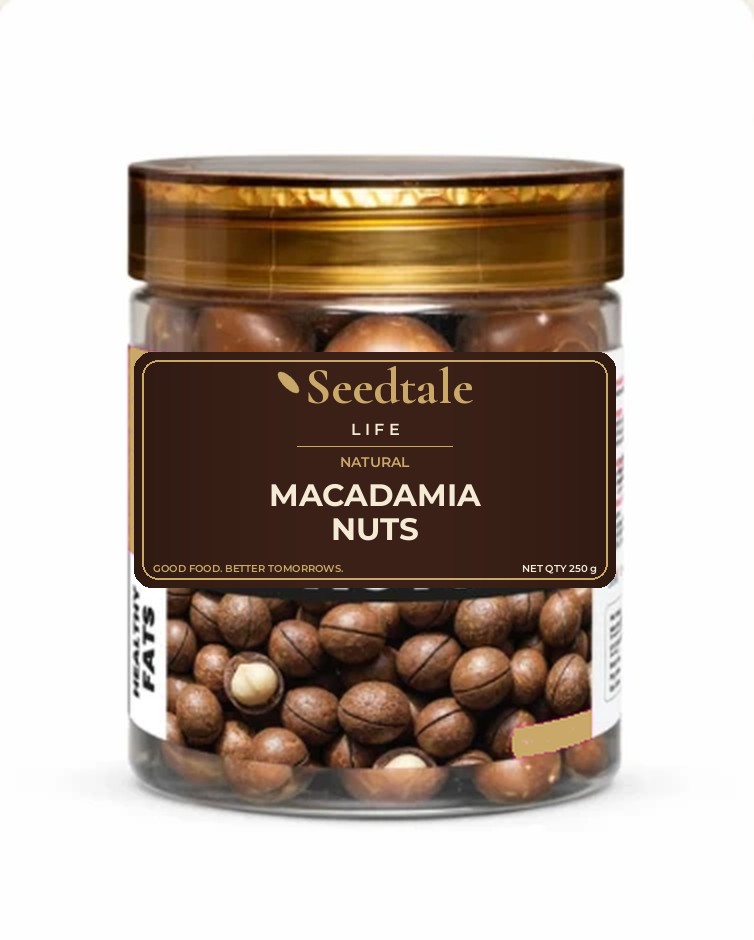
Macadamia, pecan, sea buckthorn and two protein crunches, and the smartest way to eat each.
Read more →The simplest rule of thumb: most healthy adults do well on about 1 gram of protein per kilogram of body weight each day, and people who train regularly can benefit from 1.4 to 1.8 grams. For a 70 kg person that is roughly 70 to 125 grams a day, spread across meals.
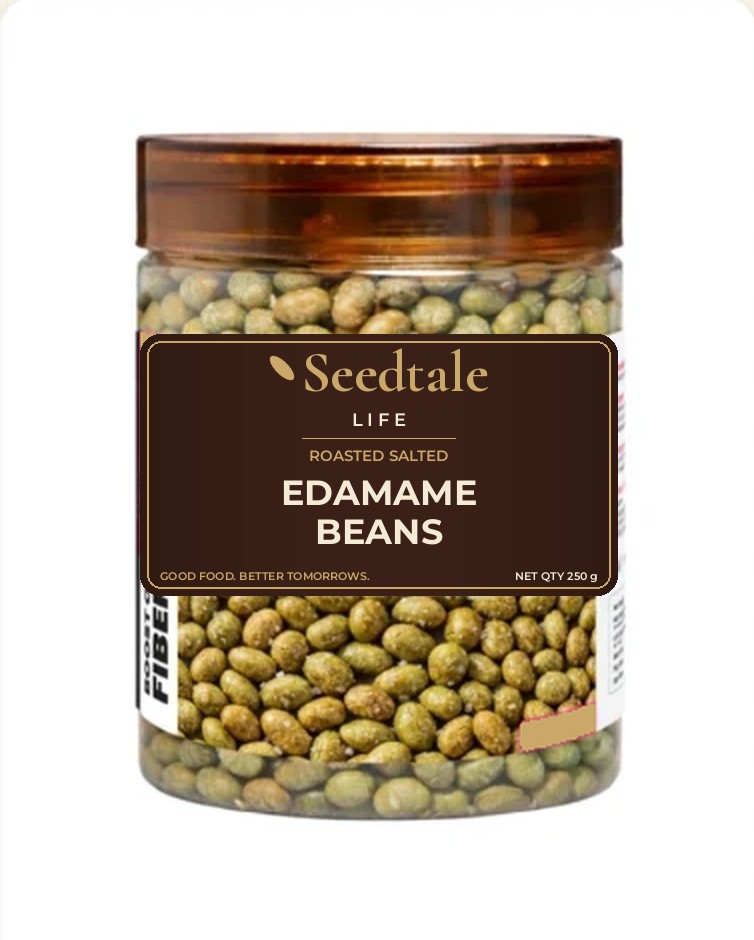
Where it comes from matters. Two desi eggs at breakfast give you about 12 grams of complete protein with vitamin D, B12 and choline. A 50 gram serving of roasted edamame adds 21 grams of complete plant protein. A handful of protein beans with evening chai gives around 15 grams more.
Snacks are the gap. Most Indian diets hit protein at lunch and dinner and miss it everywhere else. Swapping one fried snack a day for a high-protein, roasted one is the easiest change most people can make, and it is exactly why we built our protein range.
Walk into any supermarket and the eggs all look the same. But the egg from a free-range desi hen and the egg from a caged commercial layer are not the same food. Three things change what ends up inside the shell.
Breed. Indigenous Indian breeds grow and lay slowly. They produce fewer eggs with proportionally larger, richer yolks, which is where most of an egg's vitamins and healthy fats live.
Diet. Hens that forage on greens, seeds and insects lay eggs naturally higher in omega-3 fats and carotenoids, which is why a desi yolk is deep orange rather than pale yellow.
Daylight. Free-range hens spend their days in sunlight, and studies have found their eggs carry noticeably more vitamin D than eggs from indoor flocks.
1. Macadamia nuts. The richest natural source of monounsaturated fat and omega-7. Eight to ten nuts is a serving; try them with dark chocolate or crushed over a salad.
2. Pecan nuts. Among the most antioxidant-rich nuts and a natural source of zinc. Toast lightly and fold into oats or a yoghurt bowl.
3. Sea buckthorn berries. Tart, bright and loaded with vitamin C. A spoonful in warm water with honey is a morning ritual our members swear by.
4. Roasted edamame. 42 grams of complete protein per 100 grams. Keep a jar at your desk for the 4pm slump.
5. Protein beans masala mix. The chai-time snack, re-engineered: 38 grams of protein, high fibre and real masala, roasted instead of fried.